 Tiếng Việt
 English
 中文
中文
 日本語
日本語
 한국어
한국어
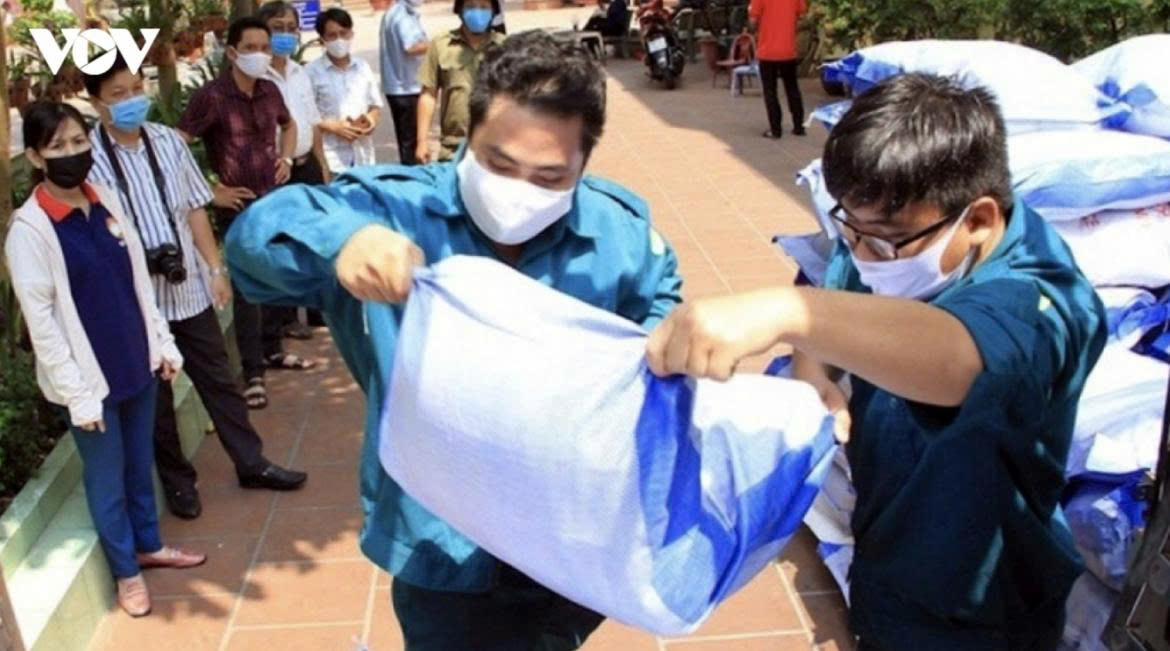
Rice export volume grows despite falling revenue
According to the Ministry of Agriculture and Environment, Vietnam exported an estimated 5.5 million tonnes of rice during January-July, up 0.5% year on year. However, export revenue fell 6.7% to US$2.64 billion, and the average export price dropped 7.1% to approximately US$476.6 per tonne.
There is also limited room to significantly increase export volumes in the remaining months of the year. Rice production in 2026 is projected at around 43-44 million tonnes, enough to meet domestic consumption and provide approximately 7-7.5 million tonnes for reserves and exports. With 5.5 million tonnes already shipped during the first seven months, only around 1.5-2 million tonnes remain available for export through the end of the year.
This suggests that boosting export revenue by simply increasing volumes will be difficult. Instead, Vietnamese exporters will need to focus on raising the value of their products.
Global market developments further underline the challenge. Rice prices in India, the world's largest rice exporter, have climbed to their highest level in nearly 10 months amid tightening supply and a gradual recovery in import demand. The trend could create greater room for price increases in the coming months.
However, global supply is abundant. The International Grains Council forecasts world rice production in the 2026-2027 crop year at around 545 million tonnes, roughly 2 million tonnes above consumption. Global rice trade is expected to reach 62 million tonnes, while inventories could rise to approximately 199 million tonnes, largely due to ample supplies from India.
Abundant supply is keeping competition intense. Vietnamese rice has gained an edge in the high-quality segment, but exporters continue to face strong competition from India and Pakistan in the standard white rice segment, where competitors enjoy a cost advantage.
Pressure is also building at home, with raw material prices for export remaining relatively high. Data from the Centre for Industry and Trade Information under the Ministry of Industry and Trade shows that farmers in the Mekong Delta have tended to hold firm on prices, while traders are purchasing mainly in line with actual demand, indicating that market liquidity has yet to improve significantly.
The resulting gap between domestic input costs and export prices is putting pressure on exporters. With procurement costs rising while international prices are subdued, businesses are becoming more cautious about purchasing rice and signing new contracts.
Raising quality and diversifying markets
Price competition is not the only challenge facing Vietnamese rice exporters. Importing countries are increasingly tightening market-management measures and introducing trade protection policies.
The Philippines is Vietnam's largest rice export market, accounting for nearly 45% of export revenue. However, the country is stepping up efforts to stabilise domestic rice prices, including increasing local purchases and considering safeguard measures on imported rice. Tighter import controls could constrain the growth of Vietnamese rice exports to the market.
China, meanwhile, is showing more positive signs. Its import turnover of Vietnamese rice has doubled from the same period last year, offering exporters an opportunity to expand into the market and gradually reduce their reliance on traditional destinations.
According to the Vietnam Food Association (VFA), with demand recovering slowly in some markets and international competition intensifying, Vietnam's rice industry needs to pursue two goals simultaneously of diversifying export markets and strengthening the value of its brands.
VFA Chairman Do Ha Nam said exporters should proactively work to remove barriers in key markets, particularly the Philippines, and to expand nto promising destinations such as Africa. Such diversification would help spread risks and reduce dependence on traditional markets.
However, market expansion alone will have limited impact on export value if Vietnamese rice continues to compete primarily on price. Developing a national rice brand built around high-quality varieties such as ST25, Jasmine and other fragrant rice varieties should therefore be considered a key strategy for increasing export value and gradually shifting Vietnam's competitive advantage from price to quality and brand recognition.
Alongside brand development, the VFA recommends expanding concentrated raw-material production areas and strengthening cooperation among businesses, cooperatives and farmers to secure stable supplies. Better traceability and tighter quality control at the production level will also be essential for meeting increasingly stringent standards in international markets.
Source: VOV